Bel Air Neighborhood Guide to Everyday Living
April 16, 2026
April 16, 2026
If you are wondering what it is like to live in Bel Air, the short answer is this: it feels more secluded, estate-driven, and private than many other Los Angeles neighborhoods. For buyers who want calm surroundings without giving up access to the Westside, Bel Air offers a very specific kind of lifestyle. You get hillside living, architectural variety, and a residential setting that feels tucked away while still being close to major destinations. Let’s dive in.
Bel Air is part of the City of Los Angeles within the Bel Air-Beverly Crest Community Plan area. According to the City of Los Angeles community plan, the area sits north of Sunset Boulevard, east of the I-405, south of Mulholland Drive, and west of Beverly Hills.
That location helps explain why Bel Air feels both connected and removed. You are near Westwood, Beverly Hills, and other Westside destinations, but the neighborhood itself is shaped by hillside roads, canyons, and large residential parcels. In day-to-day life, that often translates to a more peaceful, inward-facing atmosphere.
One of Bel Air’s defining qualities is privacy. The neighborhood is known for large lots, mature landscaping, and homes that are often screened from public view by vegetation and lot layout. In many cases, the property experience begins well before you reach the front door.
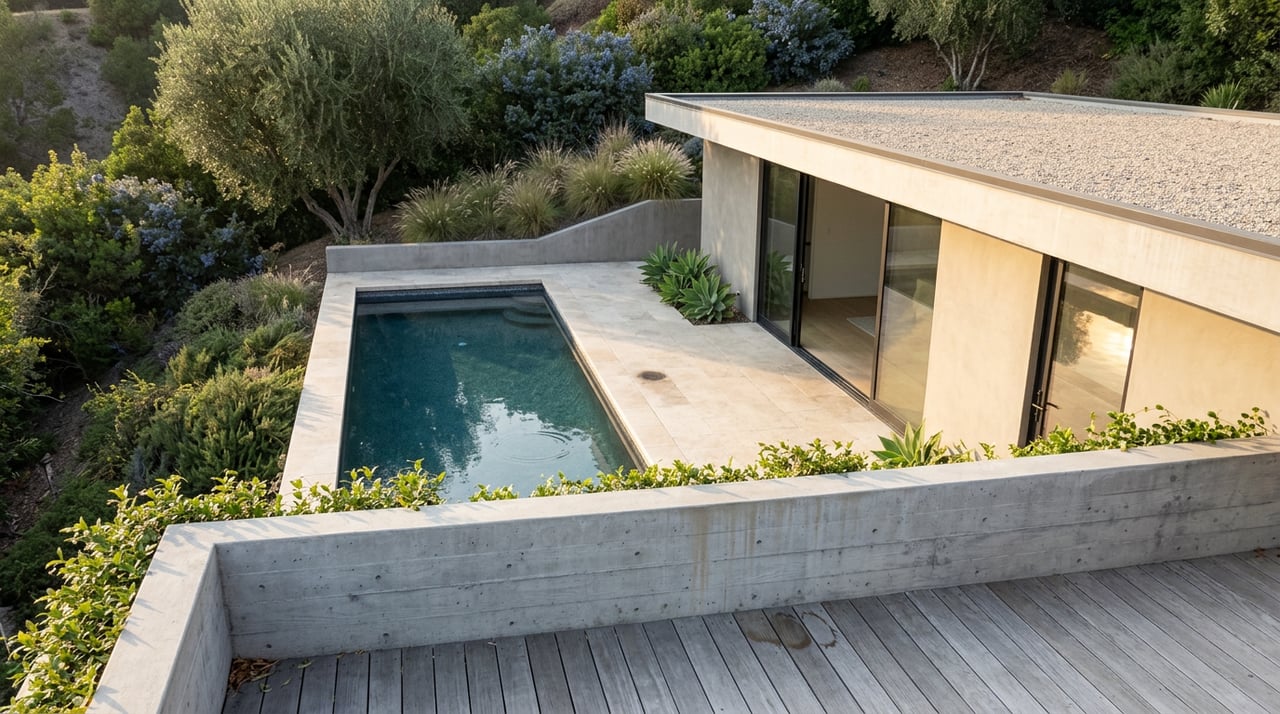
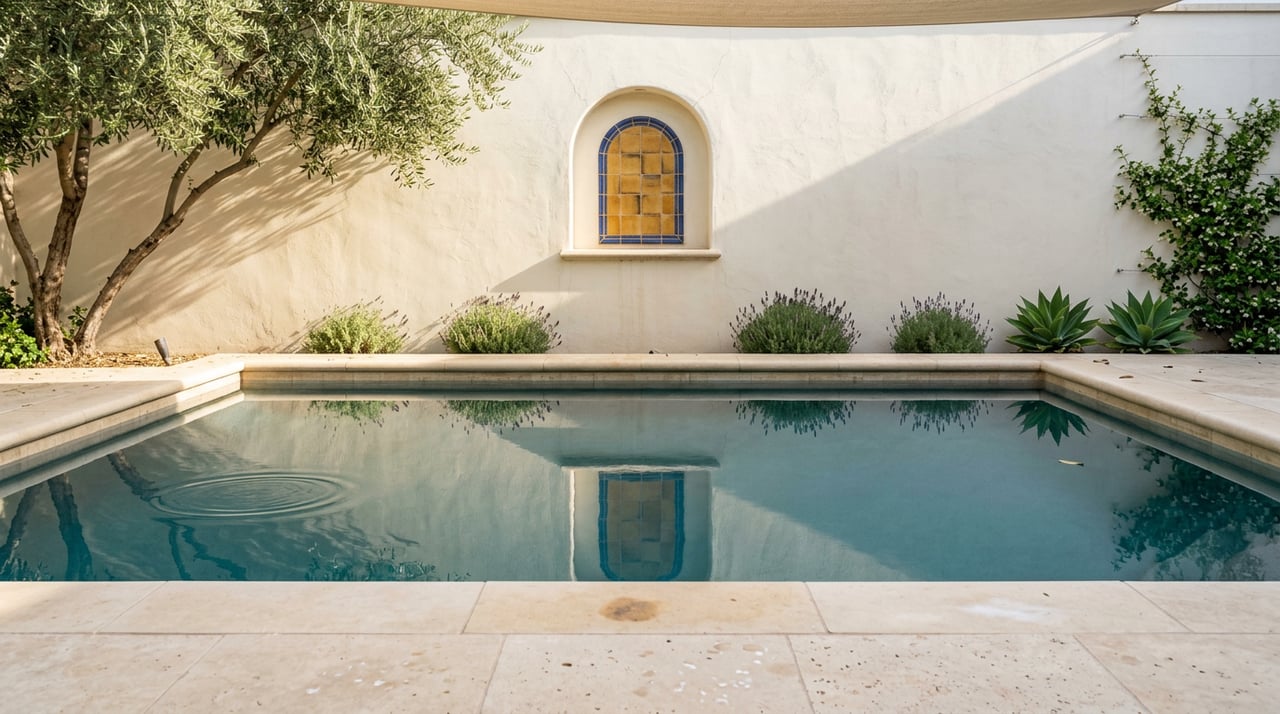
The SurveyLA historic resources report for Bel Air-Beverly Crest notes that many estate properties include features like guest houses, pool houses, detached garages, pools, tennis courts, and extensive grounds. That estate scale is a major part of what living here feels like.
If you are used to a traditional residential grid with visible front yards, sidewalks, and a more social street presence, Bel Air will likely feel very different. It is less about neighborhood bustle and more about retreat, space, and quiet home life.
Bel Air’s topography has a real impact on the living experience. The neighborhood is shaped by canyon terrain and hillside roads, which create dramatic settings and a stronger sense of separation from the city below.
The city’s hillside planning regulations focus on preserving natural topography, minimizing grading, and addressing narrow or under-improved roads. For residents, that means the area retains a more natural and less uniform feel than flatter parts of Los Angeles.
This is also why Bel Air is best understood as secluded and convenience-adjacent, rather than walkable in the usual urban sense. You are close to major destinations, but getting around is generally car-oriented.
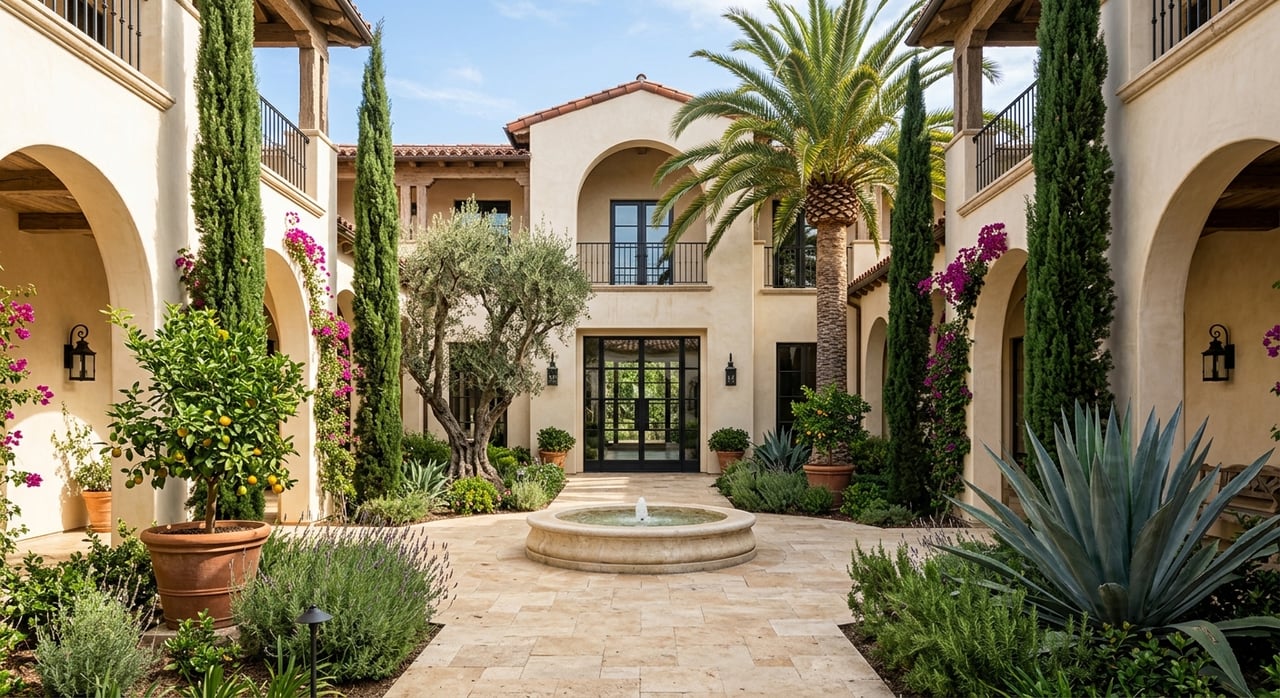
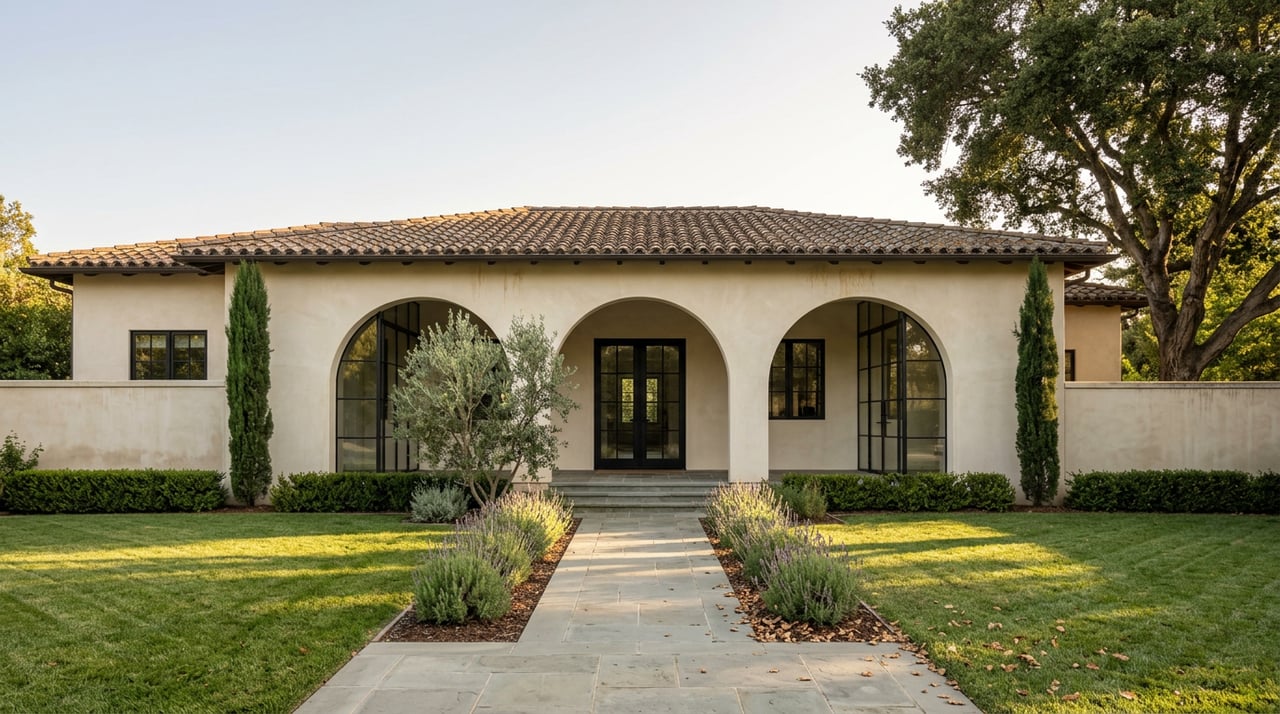
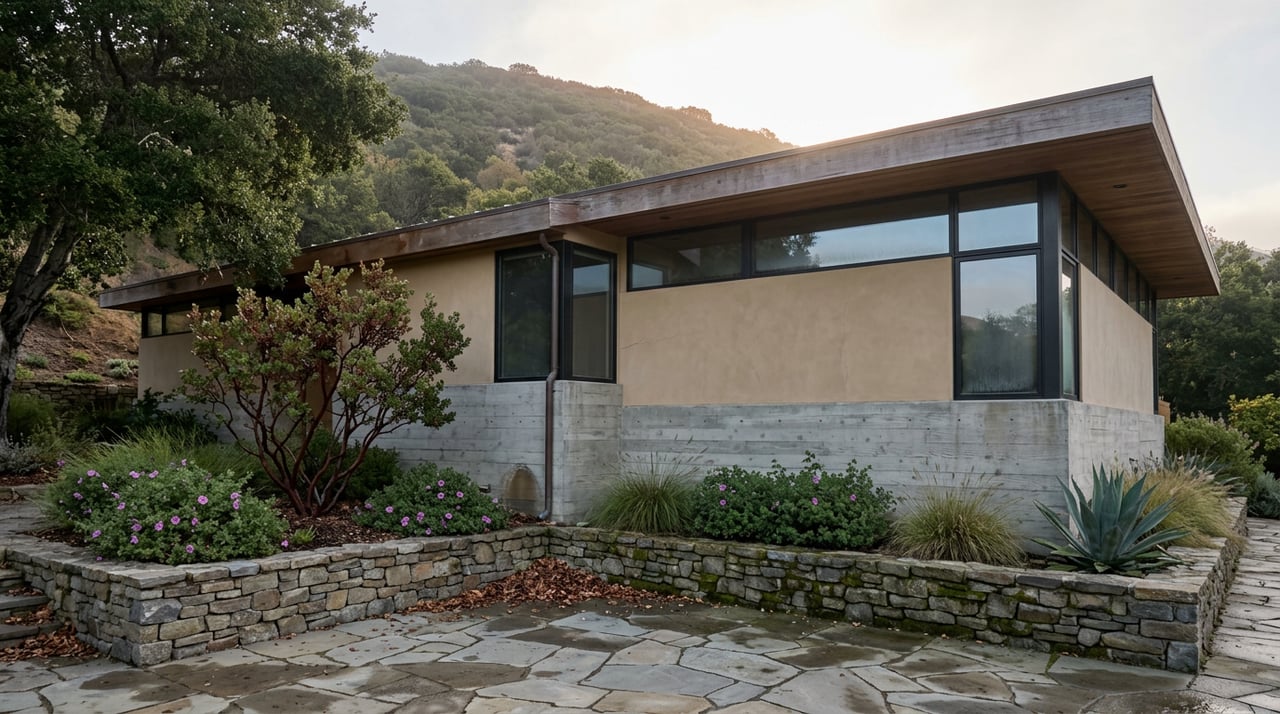
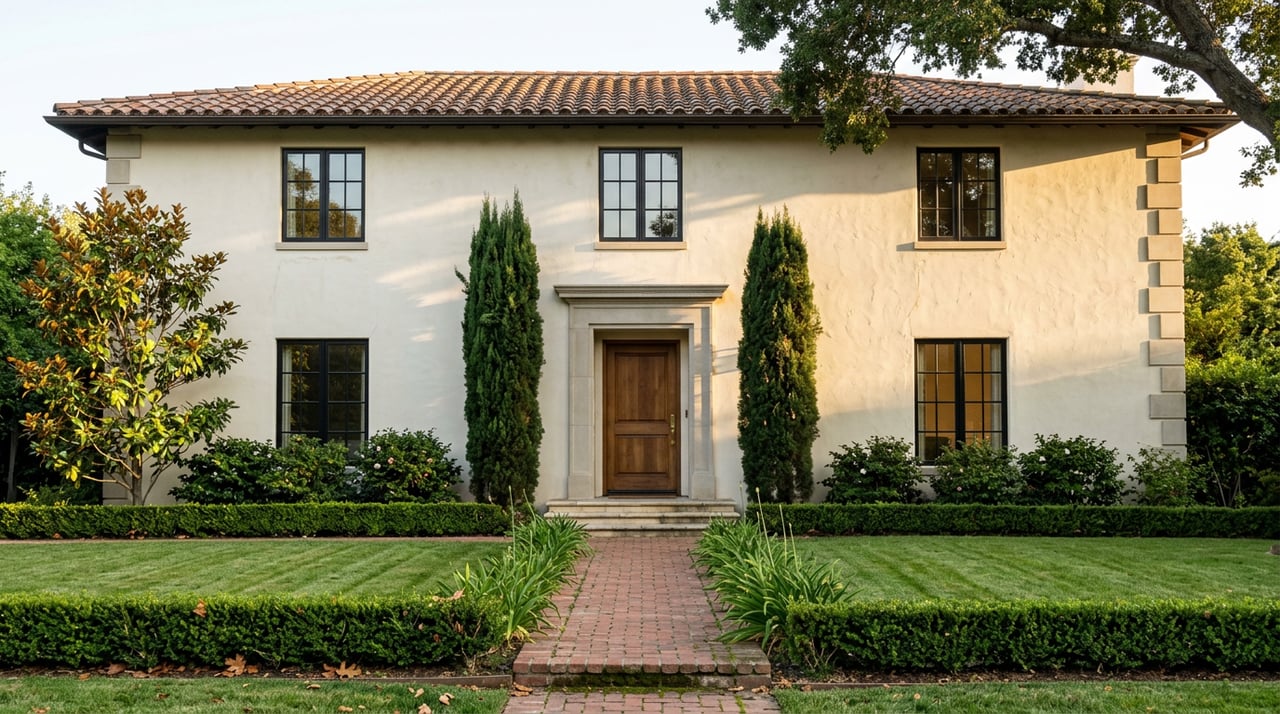
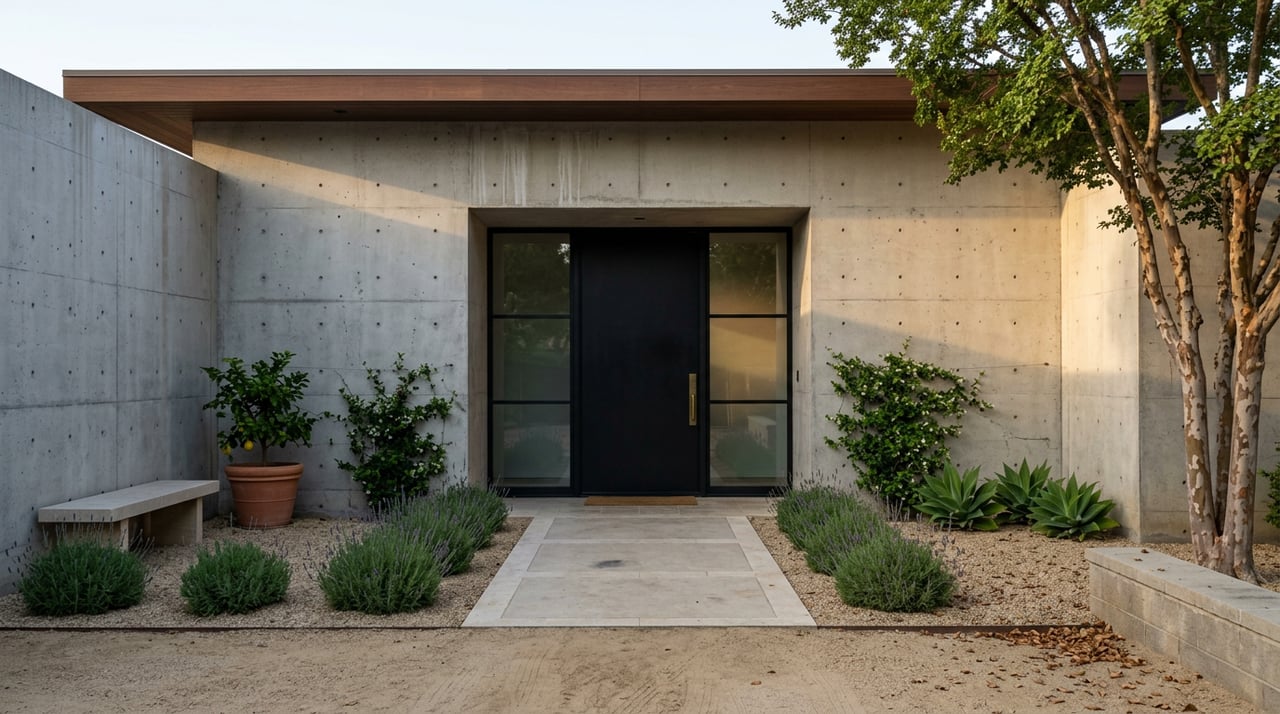
If architecture matters to you, Bel Air stands out. The neighborhood has a wide range of styles, including Spanish Colonial Revival, Mediterranean Revival, American Colonial Revival, Tudor Revival, Storybook, Mid-Century Modern, and Late Modern homes.
The same SurveyLA report also identifies work associated with notable architects such as Wallace Neff, Paul Williams, John Byers, Richard Neutra, John Lautner, A. Quincy Jones, and others. That architectural mix gives Bel Air a layered character that appeals to buyers looking for more than square footage alone.
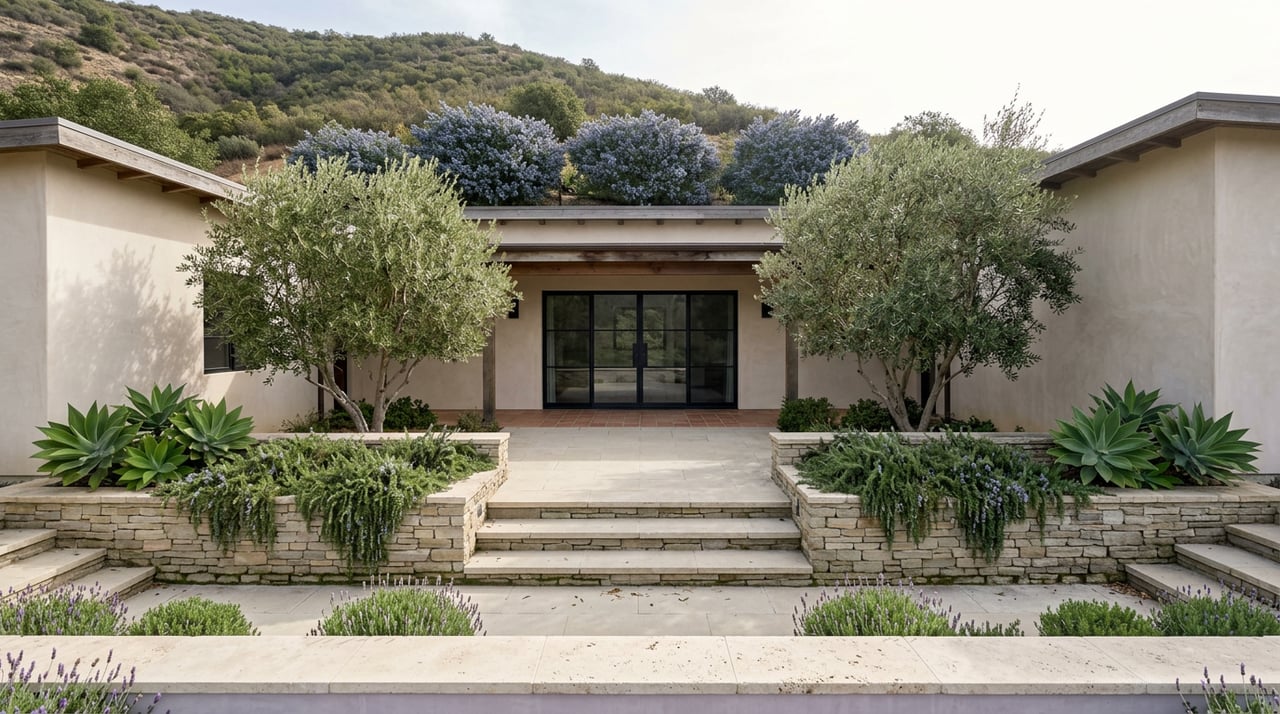
Many homes in Bel Air are designed around the lot, the landscape, and the view. Some mid-century homes are even oriented more toward the rear of the property than the street, which reflects how important privacy and outlook are in this neighborhood.
For you as a buyer, that means the experience of a home may not be obvious from the curb. The strongest features can be hidden behind gates, hedges, and long driveways, or revealed only once you move deeper into the property.
Bel Air’s roots go back to the 1920s automobile-suburb era. SurveyLA identifies the Bel Air East Gate and the Bel Air Estates sales office as early features, and it notes that Bel Air Country Club was founded in 1927 as part of the area’s original development story.
That history still shows up today in the neighborhood’s layout and identity. Bel Air was not built around dense retail corridors or pedestrian activity. It was built around homes, land, and a residential lifestyle with a strong sense of remove.
Bel Air is not defined by commercial density. In fact, official sources describe commercial activity as very limited, with small pockets serving nearby areas such as Beverly Glen and Roscomare Valley.
The community plan and SurveyLA identify neighborhood commercial centers on upper Roscomare Road and at Beverly Glen Circle, along with mixed office and retail around Sepulveda Boulevard and Moraga Drive. In practical terms, that means you are not choosing Bel Air for an active local shopping district. You are choosing it for a residential setting with nearby access to services and destinations.
One of the area’s best-known lifestyle landmarks is Hotel Bel-Air. The hotel lists 103 rooms and suites, along with a spa, fitness studio, outdoor pool, restaurant, bar, patisserie, lobby lounge, and event spaces.
Its presence adds to the neighborhood’s identity, but it does not change the overall feel of Bel Air. The area remains overwhelmingly residential, with only a handful of lifestyle and service anchors.
For a natural counterpoint to estate living, Franklin Canyon Park is a notable nearby resource. The National Park Service describes it as a 605-acre park between Beverly Hills and the San Fernando Valley, with three main trails, a reservoir loop, a nature center, and bird habitat.
If you value outdoor space, this is an important part of the Bel Air lifestyle story. The neighborhood offers a calm residential setting, and nearby park access adds another layer of quiet recreation.
Bel Air benefits from proximity to major Los Angeles corridors, especially around the 405 and Sunset Boulevard. That makes it practical for reaching Westwood, Beverly Hills, Century City, and other parts of the Westside.
At the same time, local movement within Bel Air feels different from flatter neighborhoods. The roads reflect hillside conditions, and the area’s layout favors privacy over through-traffic and pedestrian energy.
For most residents, daily life is centered on driving. That is not a drawback for everyone. In fact, many buyers see it as part of Bel Air’s appeal because the tradeoff is greater space, more seclusion, and a quieter residential environment.
Bel Air tends to appeal to buyers who want a private home environment and value architecture, land, and setting. If you prefer a neighborhood where your home feels like a retreat, Bel Air can be a strong fit.
It may be especially appealing if you are looking for:
If your ideal lifestyle depends on walking to coffee shops, frequent street activity, or dense retail nearby, Bel Air may feel too quiet. The neighborhood’s value is in its separation, not its bustle.
Bel Air offers a very specific lifestyle, and that is part of its strength. Still, it helps to go in with a clear understanding of how the neighborhood functions.
Here are a few practical points to consider:
For many buyers, those are not limitations. They are the very reasons Bel Air stands apart.
Bel Air continues to stand out because it offers something increasingly rare in Los Angeles: a residential environment that feels protected, spacious, and quietly prestigious while remaining near major urban centers. The combination of topography, estate parcels, architectural pedigree, and limited commercial intrusion gives the area a distinctive identity.
If you are considering a move here, it helps to work with someone who understands both the lifestyle and the nuances of the local market. If you are exploring Bel Air or other luxury neighborhoods in Los Angeles, Brianna Deutsch offers discreet, thoughtful guidance tailored to your goals.
Stay up to date on the latest real estate trends.

Whether acquiring a landmark estate or preparing to present your property to the global market, Brianna Deutsch provides the expertise, loyalty, and discretion required to navigate Beverly Hills real estate at the highest level.