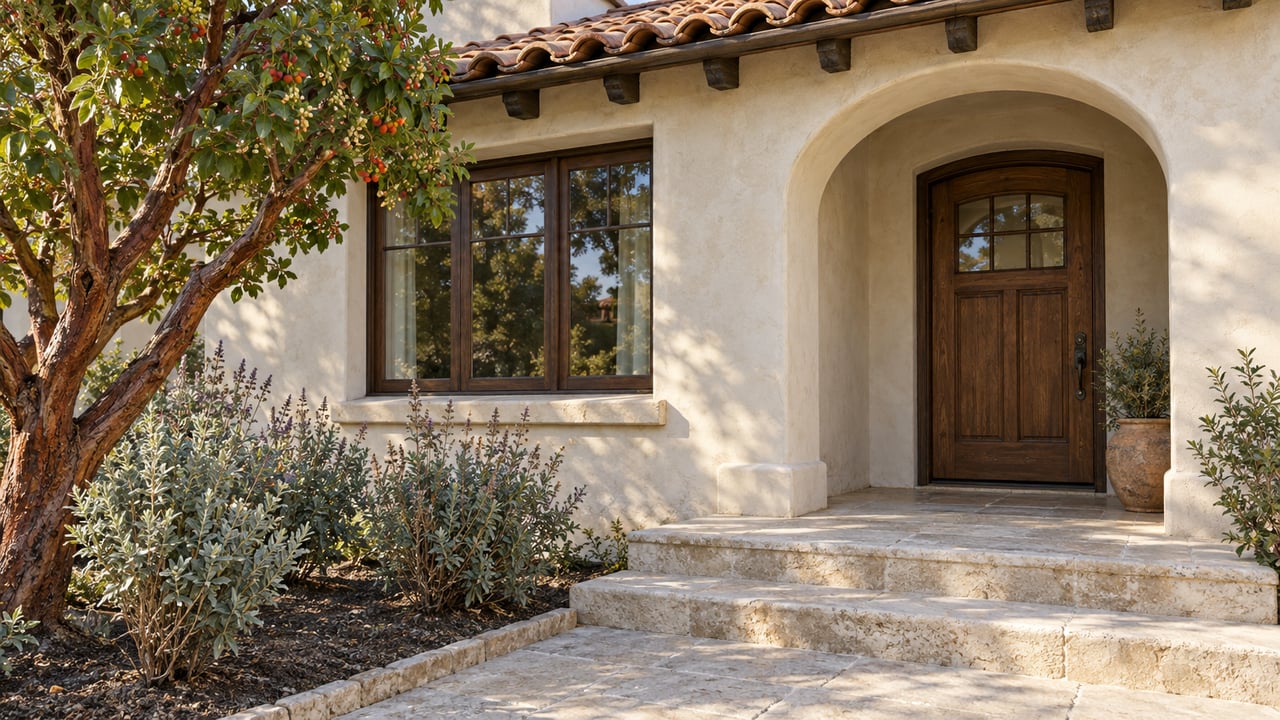
In Pasadena, the Neighbors Can Landmark the Street. Two Just Did.
October 22, 2026
October 22, 2026
This August, Pasadena added two short streets to its map of protected neighborhoods, and the people who started both were owners, not the City. On August 24, 2026, the City Council adopted the Arboleda Drive and Mesita Road landmark overlay districts on second reading as Ordinances 7475 and 7476. They became the city's 29th and 30th numbered landmark districts. A week earlier, when a councilmember asked how much of Pasadena could eventually be covered, the acting planning director said designations are "neighborhood driven efforts," according to the August 17 council minutes. He described a process in which residents collect signatures, meet strict criteria and work with City staff.
That answer matters to anyone comparing Pasadena streets. Many of the rules for what you can change about a house's exterior here come from a vote of the owners on that street. A majority is enough, and the result binds everyone, including the owners who never signed and the buyers who arrive later.
The two new districts look nothing alike, and their support levels were different too.
| Arboleda Drive (LD-29) | Mesita Road (LD-30) | |
|---|---|---|
| Homes in district | 12 | 7 |
| Era and style | 1929 Spanish Colonial Revival by architect Myer Radon | Built 1949 to 1958, Mid-century Modern and Modern Ranch, associated with Harold Zook |
| Contributing properties | 12 of 12 | 6 of 7; one home is non-contributing |
| Owner support in staff report | 100% in writing | 4 of 7 properties, or 57%, on the preliminary petition |
Arboleda covers 696 through 718 East California Boulevard, and every owner backed it. Mesita is the more useful case to study. When staff wrote the March 2026 report for the Historic Preservation Commission, four of the seven properties had signed in support. That was enough to clear the 51% minimum, and the report noted no formal opposition. The same Mesita Road staff report noted that majority signatures are "not required until the public hearings with the Planning Commission and City Council," so that early count was a starting point and not the final tally.
Under Pasadena's process, a few homes on a short street can set the exterior rules for their neighbors.
The City's 2026 landmark district submittal checklist defines "a majority" of owners as at least 51%. It recommends collecting 60% before filing, so the petition can absorb owners who change their minds. Changing their minds is allowed. Owners may withdraw their support in writing until the Planning Commission certifies the petition. When a property has more than one owner, every owner must sign for that property to count.
The Pasadena Municipal Code sets a deadline. The Planning Commission hearing must take place within 12 months of the application being deemed complete. If support falls below 51% by the hearing or by that deadline, the application is withdrawn and cannot be refiled for at least 12 months.
So one owner who changes their mind can stop a district, and one sale can change the count. On a seven-house street, one signature is roughly 14 percentage points, which is enough to move a petition from passing to failing.
Once a district is adopted, the City requires a Certificate of Appropriateness before it issues a building permit for demolition, street-visible exterior changes or new construction. The work is judged against the Secretary of the Interior's Standards and the district's design guidelines. The City's historic preservation guidance lists the work that usually goes through review and the work that does not:
For a buyer who wants a Spanish Colonial Revival for its original casement windows and arched entry, review protects those features on the house next door too. For a buyer planning to replace the windows, add a second-story addition facing the street or build a new front wall, the same review adds a step and a set of standards to the plan.
Mesita Road includes one house that staff classified as non-contributing, and the code still reaches houses in that category. Some substantial work on non-contributing buildings is still reviewed. Certain minor work is exempt only when there is no evidence-based way to restore a contributing design. The code also lists new fences, walls and gates as minor projects that are reviewed even on non-contributing properties. Demolishing a non-contributing building appears in the code's definition of a "major project."
A buyer who sees the odd house out on a protected street as the one with freedom to rebuild should expect that freedom to be narrower than the label suggests.
Accessory dwelling units are where the City's own pages need the closest reading. The City's current ADU page lists converted ADUs as permitted in historic districts. New attached and detached ADUs are permitted "if not visible from public right-of-way." The same page says properties in historic districts, which include landmark districts, are exempt from ADU parking requirements.
The City's historic preservation guidance page says something different. It states that second dwelling units would be prohibited on single-family-zoned properties in landmark districts. The two official pages conflict. The guidance page carries no date, while the ADU page points to updated ADU regulations that took effect on May 20, 2024. Because of that conflict, a buyer whose plans for a lot depend on an ADU should get a written answer from the Planning Division for that address. Under the ADU page's rules, what can be added behind the house turns on whether it can be seen from the street. A deep lot with a garage at the back and a shallow corner lot could get very different answers.
Designation can also open a financial option. Pasadena's February 2026 Mills Act program guidelines make contributing properties in designated landmark districts eligible to be considered for a Historic Property Contract, subject to the program's other requirements. The City describes the contract as a tax incentive offered in exchange for rehabilitating, restoring or maintaining the property to preservation standards. The 2026 application window closed on May 29 at 5:00 p.m. The newly contributing homes on Arboleda and Mesita entered the district after that window closed, so the next cycle is the earliest one open to them.
A district limits some exterior changes and can make the house eligible for a tax incentive. How those two effects balance out depends on the house, the owner's plans and how long the owner keeps it.
Arboleda's timeline from the City's records shows how long the process runs:
Mesita followed nearly the same schedule. It filed on June 24, 2025, was found eligible on September 2, 2025, and filed for formal review on December 31, 2025. Both districts took about 14 months from first filing to adoption. A house sold during that time is sold while the street's rules are still being decided, and the process includes public steps such as owner notice and hearings. In August, the City Clerk reported mailing 12 postcards and posting 38 notices for the Arboleda hearing alone.
The district map is likely to keep growing. Pasadena is conducting its first citywide historic resources survey since 1993. Pasadena Now reported in January that field surveyors were nearing the end of the reconnaissance phase, with an intensive survey to follow for the properties it flagged. At the August 17 meeting, staff said the survey would identify potential future landmark districts and that staff would review each one against the current criteria.
The City says the survey covers properties built through 1979 and may identify groups of homes that are eligible for district status. Survey findings do not designate anything on their own. Designation still requires a separate process with owner notice and public hearings. The 1979 cutoff is significant because Mesita was protected for homes built in the 1950s, under a context staff called "Cultural Resources of the Recent Past." Postwar ranch houses and mid-century homes can qualify as well as Craftsman bungalows and 1920s revivals.
For a buyer, that means checking the City's map of designated historic and landmark districts answers only part of the question. A street with a consistent architectural style and neighbors who care about it may still be heading toward a district.
Can a house land in a district after it is bought? Yes. A district can be created on a street where the houses are already owned, which is what happened on Arboleda Drive and Mesita Road this year. Once the overlay is adopted, it applies to every property inside the boundary.
Does a district control interiors? No. The City's guidance lists interior changes as exempt, along with paint colors, landscaping, solar panels and routine maintenance.
Is there review for houses outside a district? In some cases. Houses outside a district have no district overlay review, but individually designated landmarks and other identified historic resources can still go through historic-resource review.
This post is general information about Pasadena's published rules, not legal, tax or financial advice. Anyone weighing a specific property, a Mills Act contract or a planned addition should confirm the details with the City's Planning Division and their own attorney or tax professional.
For a buyer drawn to a particular Pasadena block, the history of that block's petition can matter as much as the house's history. Questions about whether a street has a district, is close to one or may become one are a good place to start the conversation with Brianna Deutsch before an offer is written.
Stay up to date on the latest real estate trends.

Whether acquiring a landmark estate or preparing to present your property to the global market, Brianna Deutsch provides the expertise, loyalty, and discretion required to navigate Beverly Hills real estate at the highest level.