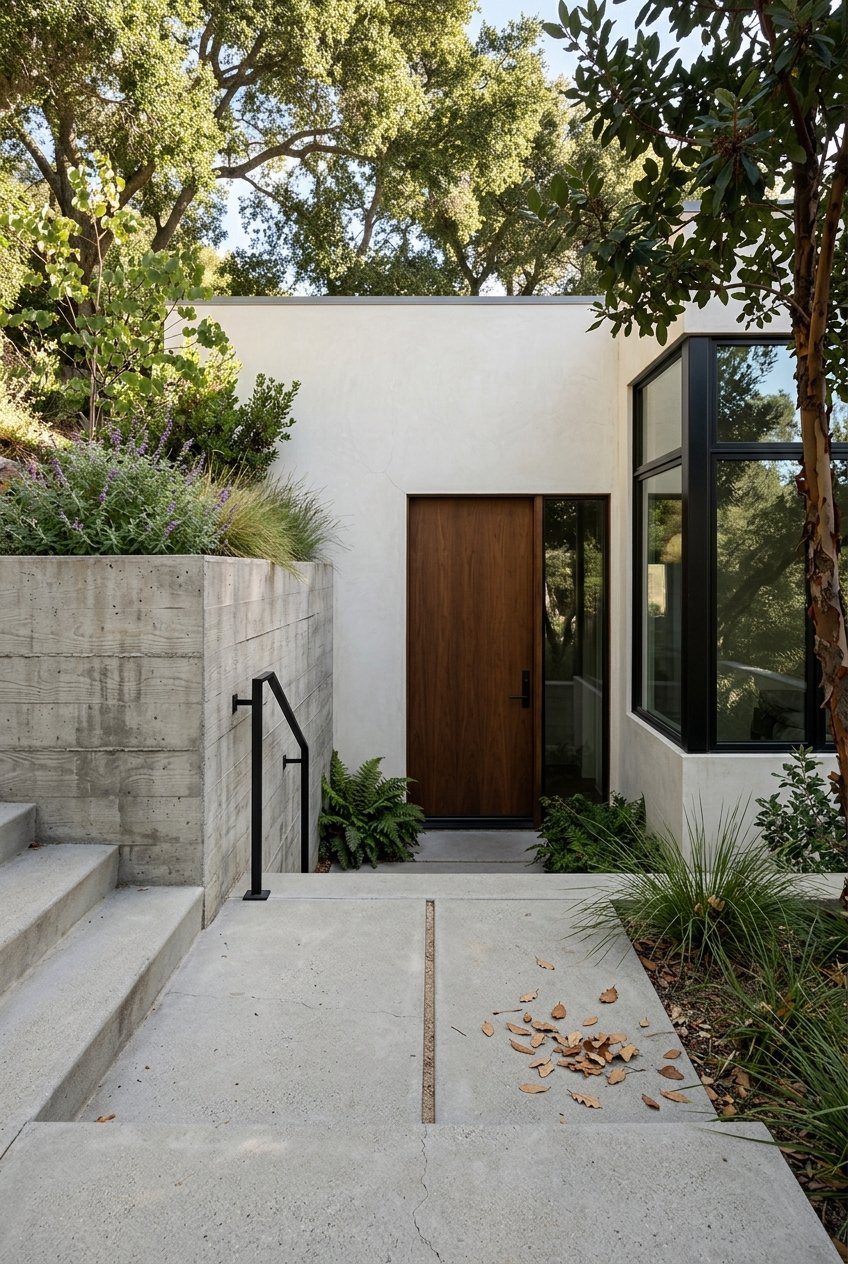
Explore Laurel Canyon’s Real Estate Lifestyle and Homes
June 4, 2026
June 4, 2026
If a neighborhood could tell stories through its streets, Laurel Canyon would have a lot to say. Tucked into the Hollywood Hills, this canyon has long attracted people who wanted privacy, character, and quick access to the creative pulse of Los Angeles. If you are curious about buying, selling, or simply understanding the area, this guide will help you see how Laurel Canyon’s artistic past still shapes its homes and lifestyle today. Let’s take a closer look.
Laurel Canyon is more than a recognizable Los Angeles name. City records place it within the Bel Air-Beverly Crest Community Plan area, where steep hillsides, winding roads, and one- to three-story single-family homes create a setting that feels distinct from flatter parts of the city.
That physical setting matters. The terrain shaped how the neighborhood developed, from narrow lots and footpaths to homes built closely to the land. Even now, that relationship between house and hillside is one of the canyon’s defining features.
Laurel Canyon’s reputation grew far beyond real estate. By the 1960s and 1970s, it had become closely tied to Los Angeles’ folk-rock scene, with artists such as Joni Mitchell, the Byrds, Crosby, Stills & Nash, Buffalo Springfield, the Mamas and the Papas, Carole King, Jim Morrison, Linda Ronstadt, and the Eagles all connected to the area.
What made the canyon so appealing was not only celebrity or music history. It offered wooded seclusion, a simpler neighborhood feel, and close proximity to Sunset Strip venues and the city’s broader creative infrastructure. That mix of retreat and access still helps explain why Laurel Canyon continues to hold such lasting appeal.
The canyon gave residents a private place to live while keeping them close to work, collaboration, and nightlife. For creative people, that balance was powerful.
For today’s buyers, that same pattern still resonates. You are not just looking at a home here. You are looking at a lifestyle shaped by privacy, views, and connection to greater Los Angeles.
Laurel Canyon did not grow like a typical grid neighborhood. Planning research ties much of its layout to early-20th-century development efforts that included narrow lots, footpaths, and even a trackless trolley connection to Sunset Boulevard.
That history helps explain why the area feels layered and slightly unexpected. Streets can curve, lots can vary, and homes often sit in ways that respond directly to slope and access rather than a uniform plan.
The canyon also evolved from a rustic retreat into a more established residential enclave over time. That evolution is still visible today in the mix of older homes, updated residences, and newer construction on nearby streets.
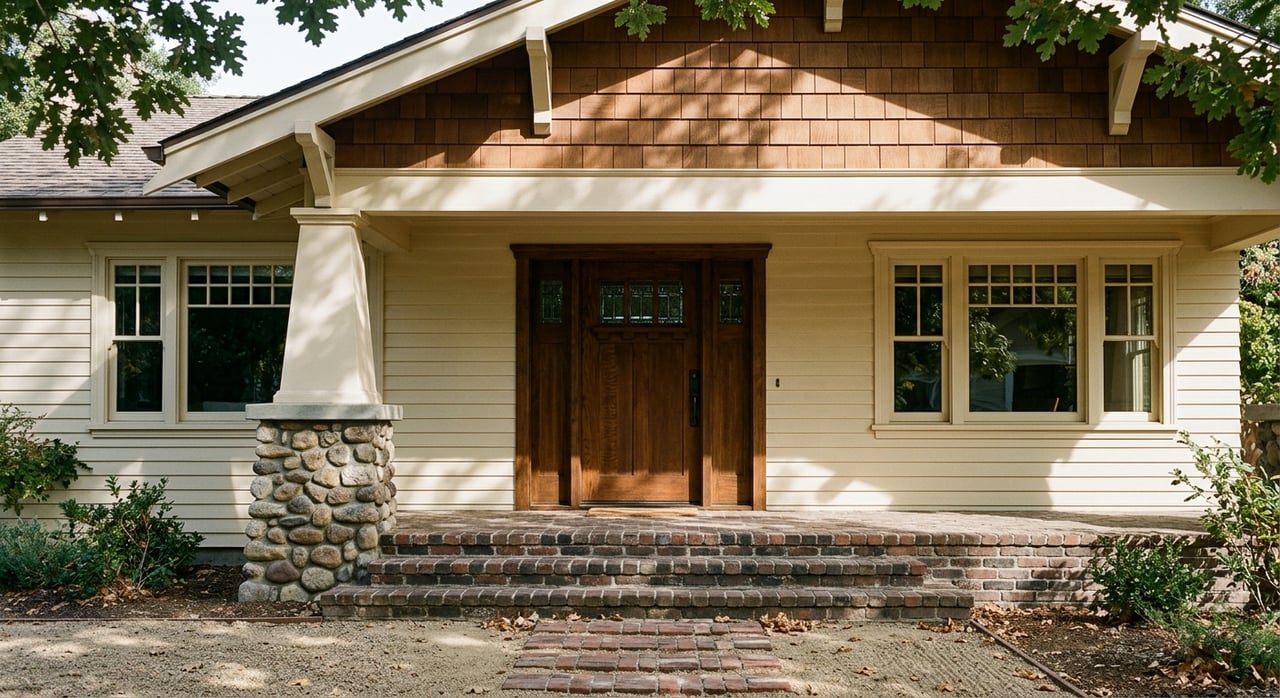
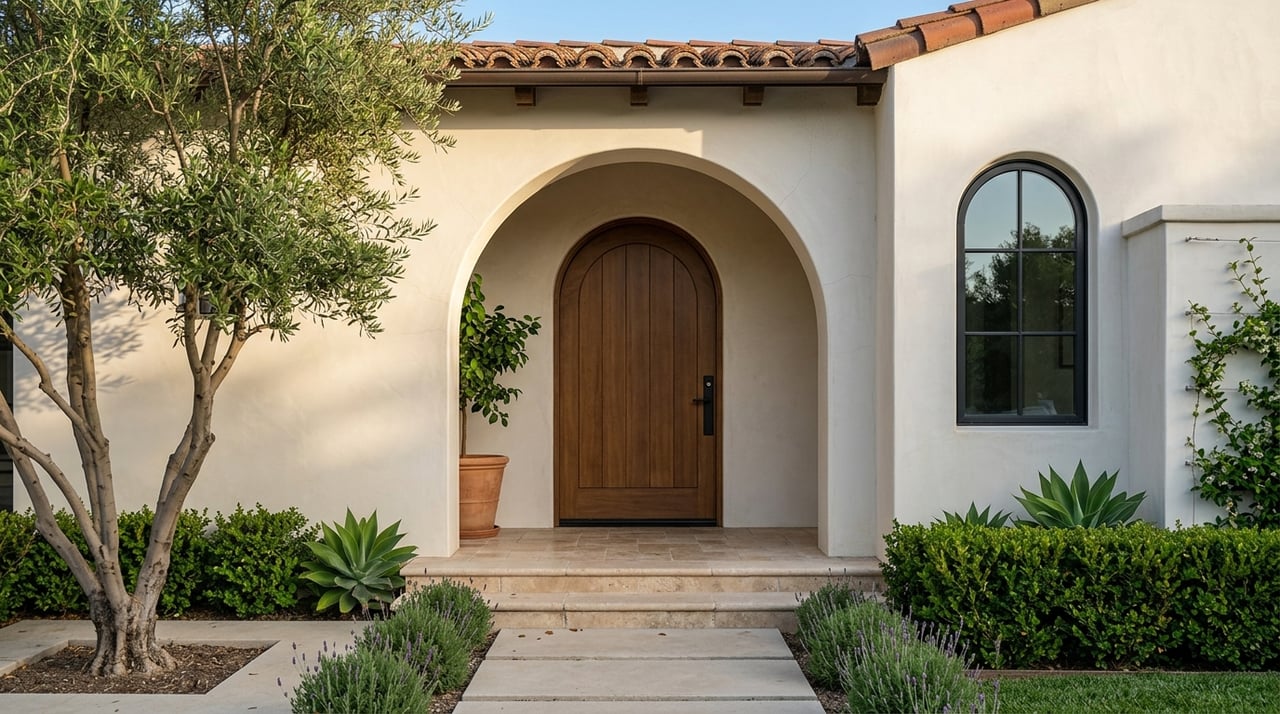
One of Laurel Canyon’s biggest draws is that it does not look all one way. Local history sources describe a wide architectural mix that includes early log cabins, cedar-sided cottages, English Tudor, Spanish and Mediterranean homes, Cape Cod, Craftsman, bungalow-era properties, and postwar Modern houses.
That variety gives the neighborhood a more collected, organic character. Instead of a single dominant style, you often see different eras and design ideas coexisting side by side.
Some homes reflect the canyon’s earlier, more rustic identity. These properties can carry details that feel intimate and site-specific, especially on smaller or narrower lots.
For buyers, that can mean charm and individuality. For sellers, it often means presentation matters, because the appeal is usually tied to character, setting, and how well the home connects to the landscape.
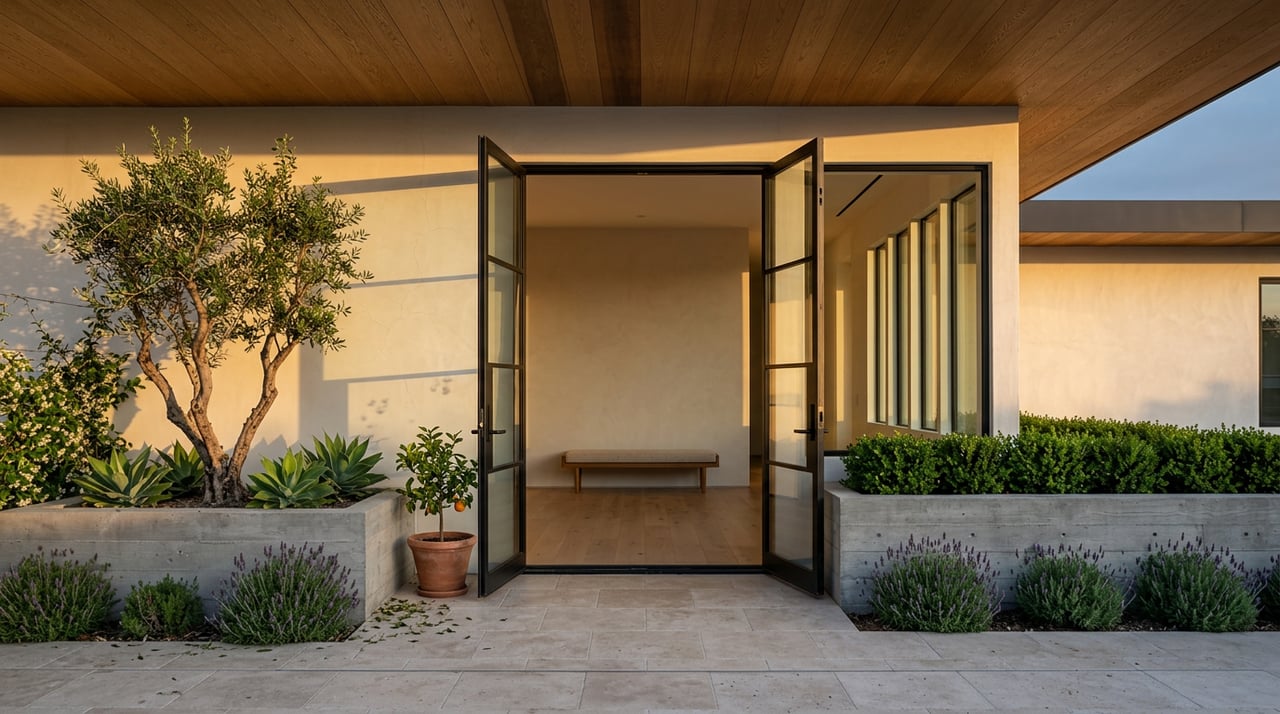
Postwar Modernism has an important place in Laurel Canyon. City historic-resource materials note that later development included modern homes made possible by engineering that allowed builders to work with steep sites.
That led to houses built into slopes or cantilevered over them, creating a visual language that still feels very Los Angeles. The neighborhood’s association with notable hillside Modern and experimental residential design remains a key part of its identity.
Laurel Canyon also includes newer construction and spec-built homes. In many cases, these properties lean into views, scale, and updated finishes.
Local history sources note an ongoing conversation between site-sensitive design and larger infill development. In practical terms, that means buyers and sellers should look closely at how a home fits its lot, its street, and the canyon environment around it.
Laurel Canyon is not simply a historic neighborhood. It is an active housing market with a premium profile.
As of April 2026, Realtor.com reported 18 homes for sale and 5 homes for rent in Laurel Canyon. The median listing price was $1.812 million, the median time on market was 71 days, and the median rent was $13,475 per month.
Those figures suggest a market with relatively limited inventory and meaningful price points. Compared with broader Los Angeles data from March 2026, which showed a balanced market with homes selling at roughly asking on average and a median 47 days on market, Laurel Canyon reads as a more specialized micro-market.
If you are shopping in Laurel Canyon, inventory may feel selective rather than abundant. Homes can differ sharply in style, condition, lot usability, access, and view orientation, which means comparing one listing to another is rarely simple.
A lower-inventory setting also makes preparation important. When the right property appears, clarity around priorities can help you move with more confidence.
If you are selling, Laurel Canyon’s appeal usually goes beyond square footage alone. Buyers often respond to the full story of a property, including architecture, privacy, views, and how the home lives on its site.
That is why thoughtful presentation matters here. In a neighborhood where no two homes feel exactly alike, strong positioning can help buyers understand what makes your property stand out.
Laurel Canyon offers a setting many buyers find compelling, but hillside living comes with practical responsibilities. In this part of 90046, slope, vegetation, and access are not background details. They are part of daily life and long-term property ownership.
An LADBS parcel profile for a 90046 hillside parcel shows hillside-ordinance regulation and a very high fire hazard designation. Los Angeles County Fire guidance also emphasizes defensible space, fire-resistant materials, and driveways or access roads that can accommodate emergency vehicles.
If you are evaluating a home in Laurel Canyon, it helps to pay attention to:
These factors do not lessen the canyon’s appeal. They simply shape what smart ownership looks like in this setting.
Laurel Canyon’s formula has stayed surprisingly consistent over time. The neighborhood still offers views, privacy, architectural variety, and a creative backstory that feels genuinely connected to Los Angeles history.
At the same time, it remains a real and current residential market, not just a nostalgic landmark. That balance is part of what makes it so compelling. You can find homes here that feel tucked away, expressive, and deeply tied to place, while still remaining close to the city’s energy.
For buyers, that can mean finding a property that feels personal and distinct. For sellers, it means your home may already carry a narrative that deserves to be presented with care, accuracy, and restraint.
If you are considering a move in Laurel Canyon, the details matter. From architecture and access to pricing and presentation, a neighborhood this nuanced benefits from calm, informed guidance. To discuss buying, selling, or leasing in Los Angeles with a discreet and thoughtful approach, connect with Brianna Deutsch.
Stay up to date on the latest real estate trends.
Whether acquiring a landmark estate or preparing to present your property to the global market, Brianna Deutsch provides the expertise, loyalty, and discretion required to navigate Beverly Hills real estate at the highest level.