San Marino Home Styles: Which Fits Your Life Best?
June 25, 2026
June 25, 2026
Shopping in San Marino is not just about square footage or price. In a city where most homes are detached single-family residences built between the 1920s and 1960s, architecture often tells you a great deal about how a home lives, what it may cost to maintain, and how flexible it may be over time. If you are trying to decide whether a stately Tudor, a graceful Spanish Revival, or a simpler Ranch is the right fit, understanding those differences can save you time and sharpen your search. Let’s dive in.
San Marino has an almost entirely residential character, with housing made up overwhelmingly of single-family homes and no multi-family zoning areas. The city’s historic survey shows a housing stock shaped by several key eras, from early Victorian and Craftsman homes to a strong wave of 1920s Period Revival architecture, followed by Ranch, Minimal Traditional, Mid-Century Modern, and Late Modern homes.
That matters because style in San Marino is not just cosmetic. It often signals the home’s era, layout, materials, upkeep needs, and likely position within an already premium market. Current market data places San Marino at a high price point, with Realtor.com reporting a median listing price of $3.88 million and Zillow placing average home value at $2.85 million.
Period Revival homes are among the styles buyers are most likely to notice first in San Marino. These homes help define the city’s visual identity, especially in neighborhoods developed during the 1920s, and the city survey notes that many were built on a large scale with high levels of architectural detail.
For buyers, this usually means character, presence, and a more formal living experience. It can also mean more original materials, more exterior detailing, and a property that deserves a closer look before you plan major changes.
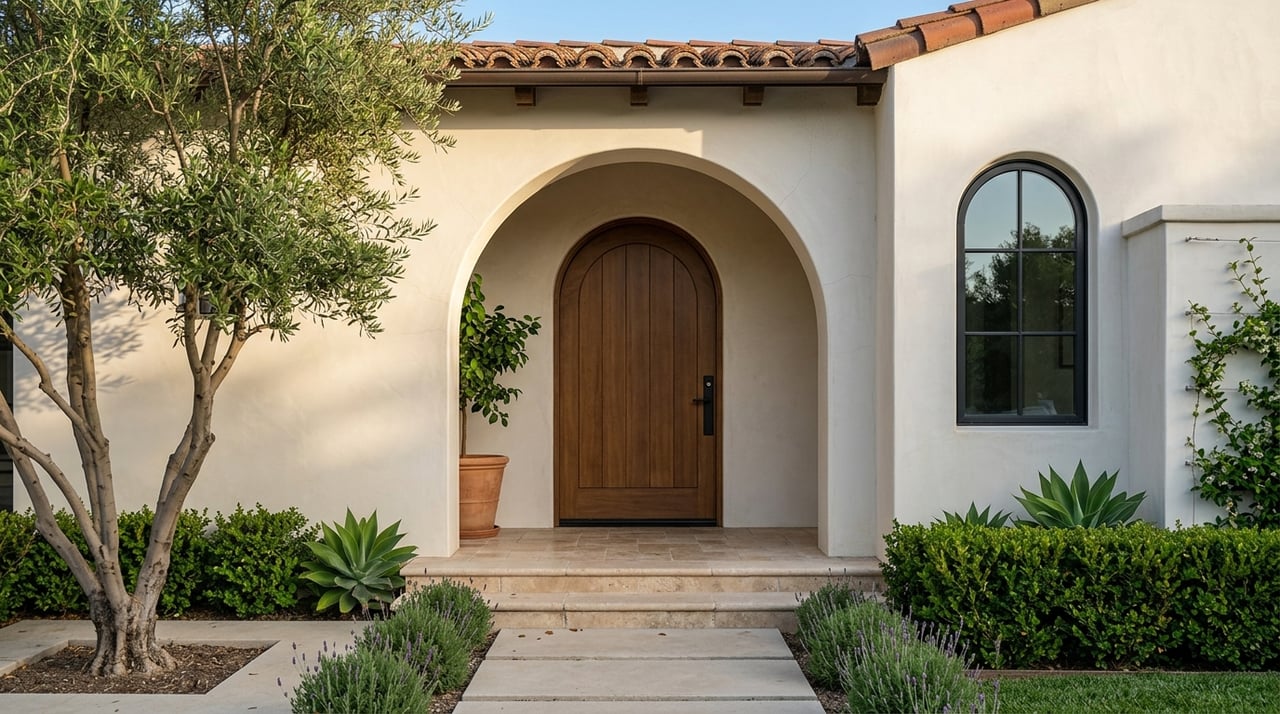
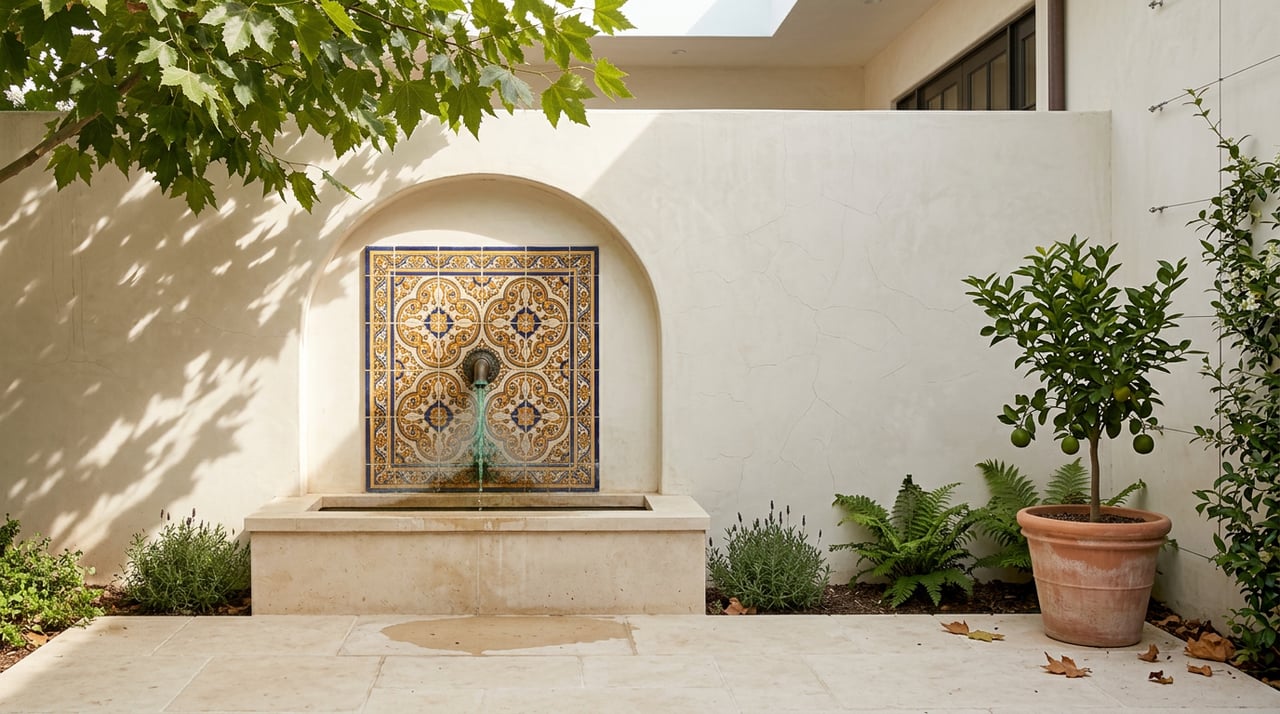
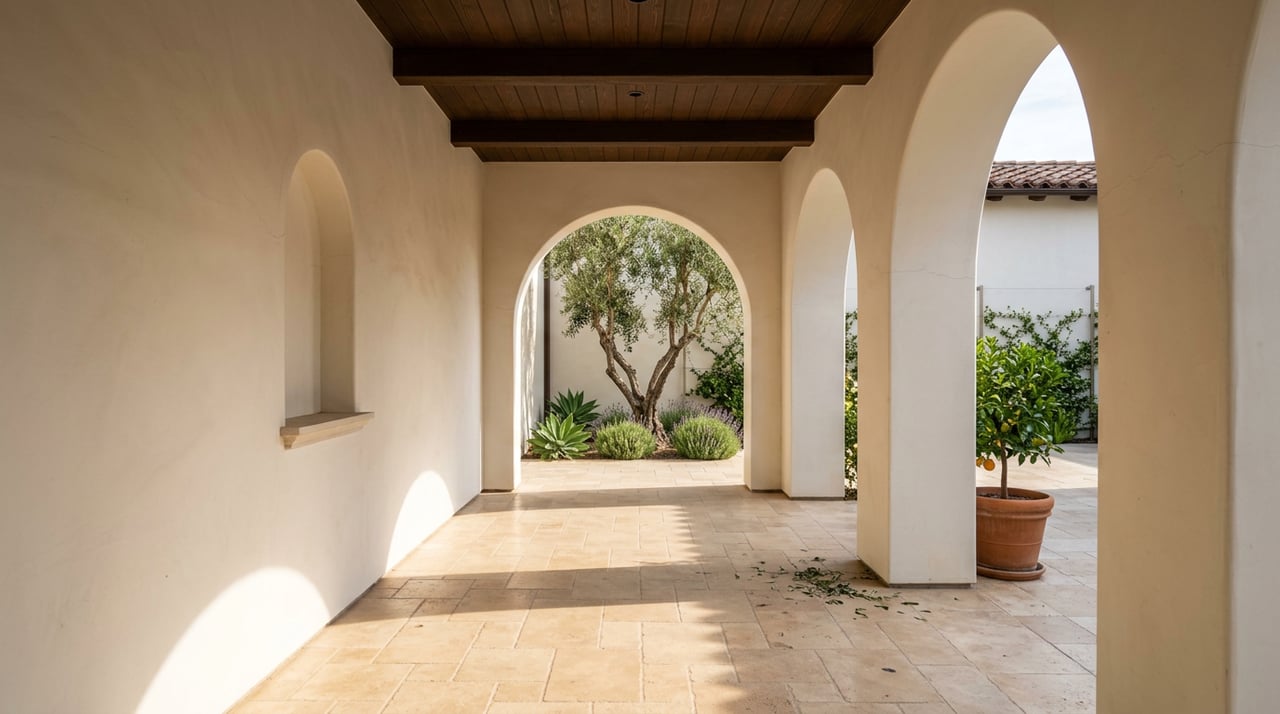
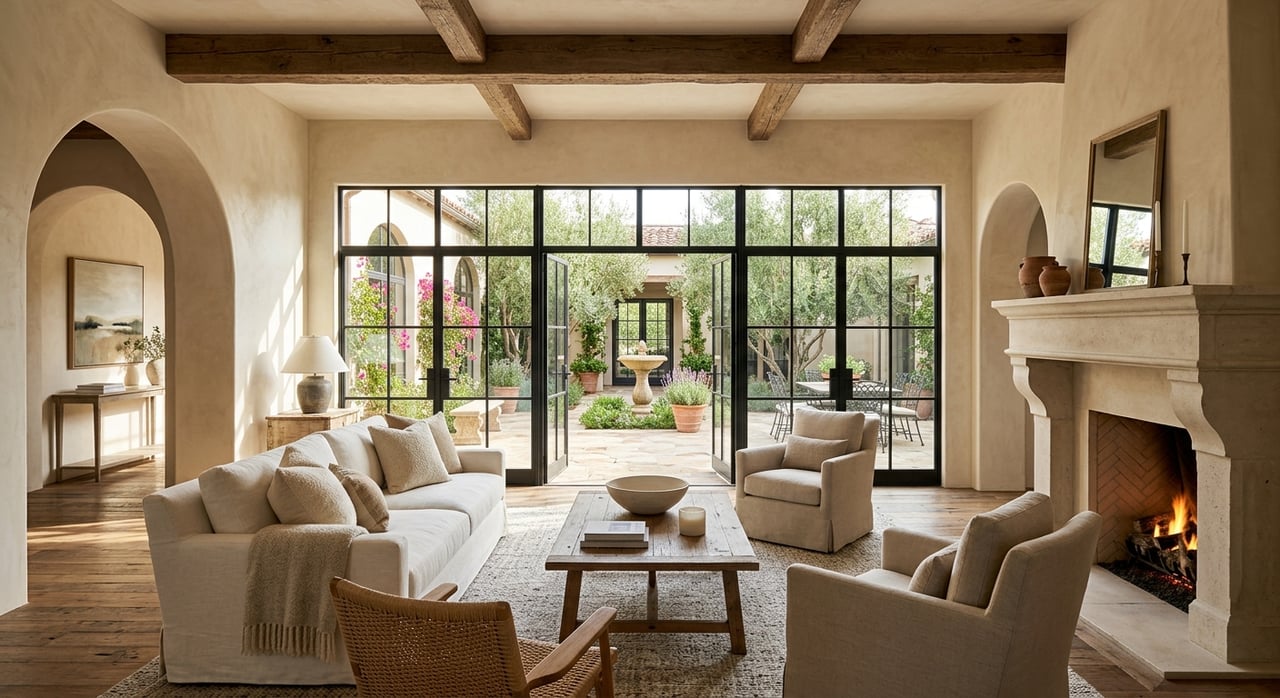
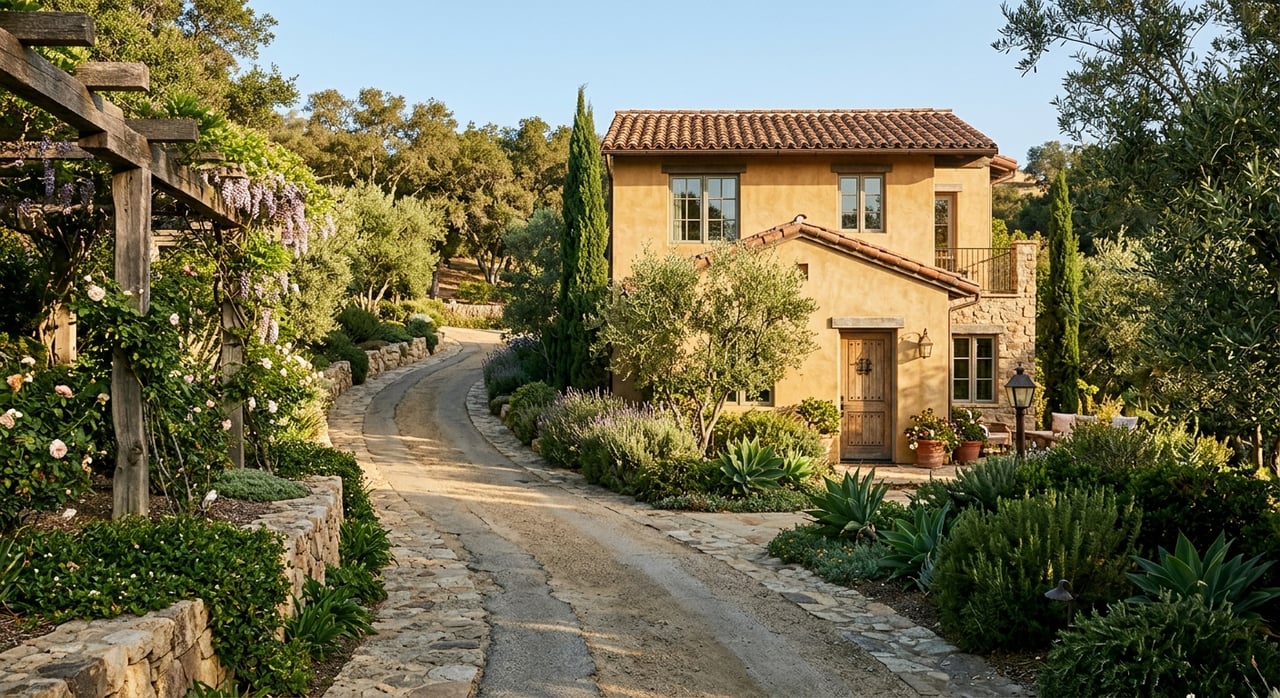
Spanish Colonial Revival homes are closely tied to San Marino’s 1920s growth. You will often spot them by their stucco walls, clay tile roofs, arched openings, patios or courtyards, and decorative iron or tile details.
For daily life, these homes often create a strong indoor-outdoor connection while still feeling private and structured. Buyers who love atmosphere and architectural warmth are often drawn to them, but the original materials and decorative details may also require more careful maintenance.
Mediterranean Revival homes share some visual DNA with Spanish Colonial Revival, but they tend to feel more formal and symmetrical. Common features include rectangular plans, grand entrances, clay tile roofs, boxed eaves, and wrought iron accents.
If you are looking for a home with a strong sense of arrival, this style often delivers. It may also suggest a more traditional room arrangement, which can appeal to buyers who prefer clearly defined spaces over open-plan living.
Monterey Revival homes are usually two stories and often have rectangular or L-shaped plans. They may combine stucco, brick, and wood, and often include restrained second-story porches.
For buyers, this style can offer a balance between warmth and restraint. It often reads as historic and distinctive without being overly ornate, which can make it appealing if you want character but also a somewhat simpler exterior expression.
Tudor Revival homes are among the easiest to recognize. Look for steep gables, decorative half-timbering, prominent chimneys, and leaded or diamond-paned windows.
These homes often feel romantic and substantial, and they can carry a strong architectural identity. They may also come with more maintenance-sensitive elements, especially around masonry, wood details, chimneys, and original windows.
American Colonial Revival homes tend to be more symmetrical and restrained than some other revival styles. Typical features include dormers, boxed eaves, clapboard or brick exteriors, double-hung sash windows, and classical entry details.
If you prefer a traditional look that feels orderly and understated, this style may stand out. It can also be a good fit for buyers who want historic character without some of the heavier ornament seen in other revival homes.
Not every San Marino buyer is looking for a grand 1920s residence. The city also has a substantial stock of Ranch and Minimal Traditional homes, especially from the late 1930s through the postwar period.
These homes often appeal to buyers who want easier circulation, simpler forms, and a more relaxed daily rhythm. In a market known for architectural prestige, they can also represent a relative entry point, though still at a premium price level.
Traditional Ranch homes are typically one story, horizontally oriented, and marked by low-pitched roofs, wide eaves, picture windows, and attached garages. Their design generally supports a more casual layout and easier flow from room to room.
For many buyers, that means practical everyday living and fewer stairs. If you value convenience and a less formal floor plan, this style may feel easier to grow into or adapt to your routine.
Contemporary Ranch homes keep much of the Ranch footprint but trade older decorative cues for cleaner lines and more modern geometry. Minimal Traditional homes are also part of San Marino’s later prewar and postwar housing pattern.
These homes can be appealing if you want a simpler visual style and a house that may feel less formal than a revival property. They still deserve careful review, especially when it comes to older roofs, windows, and mechanical systems.
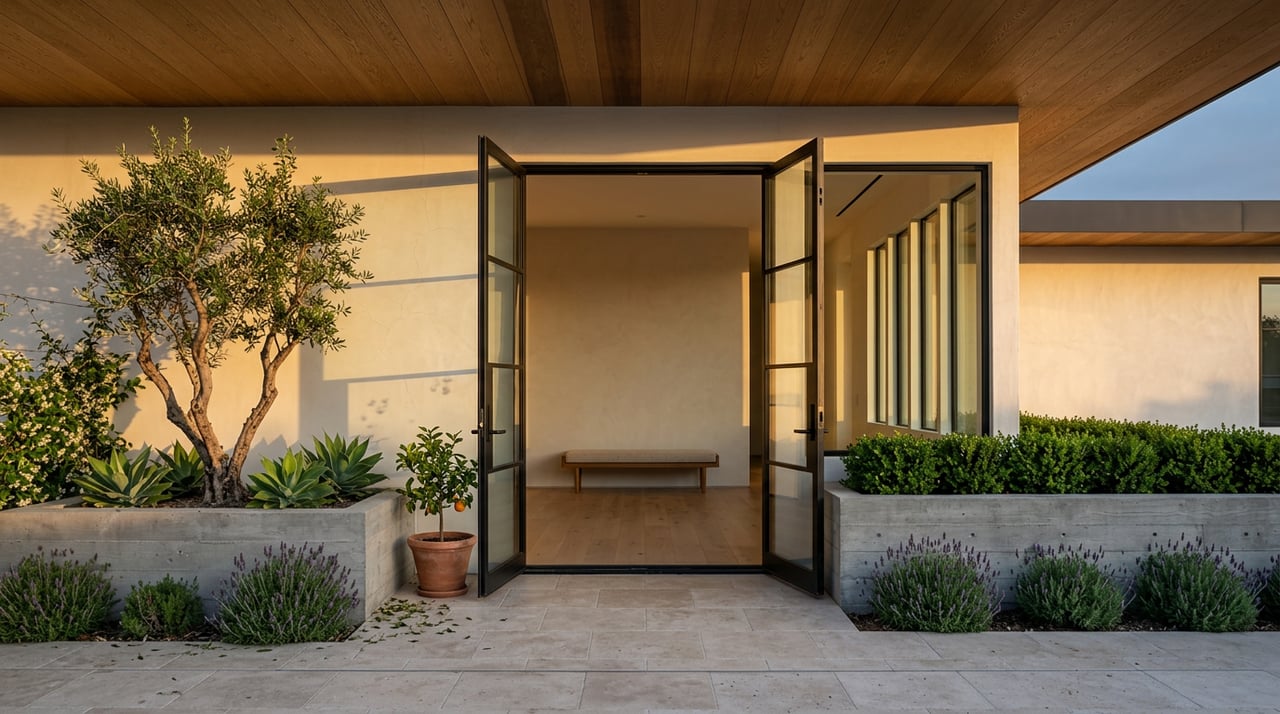
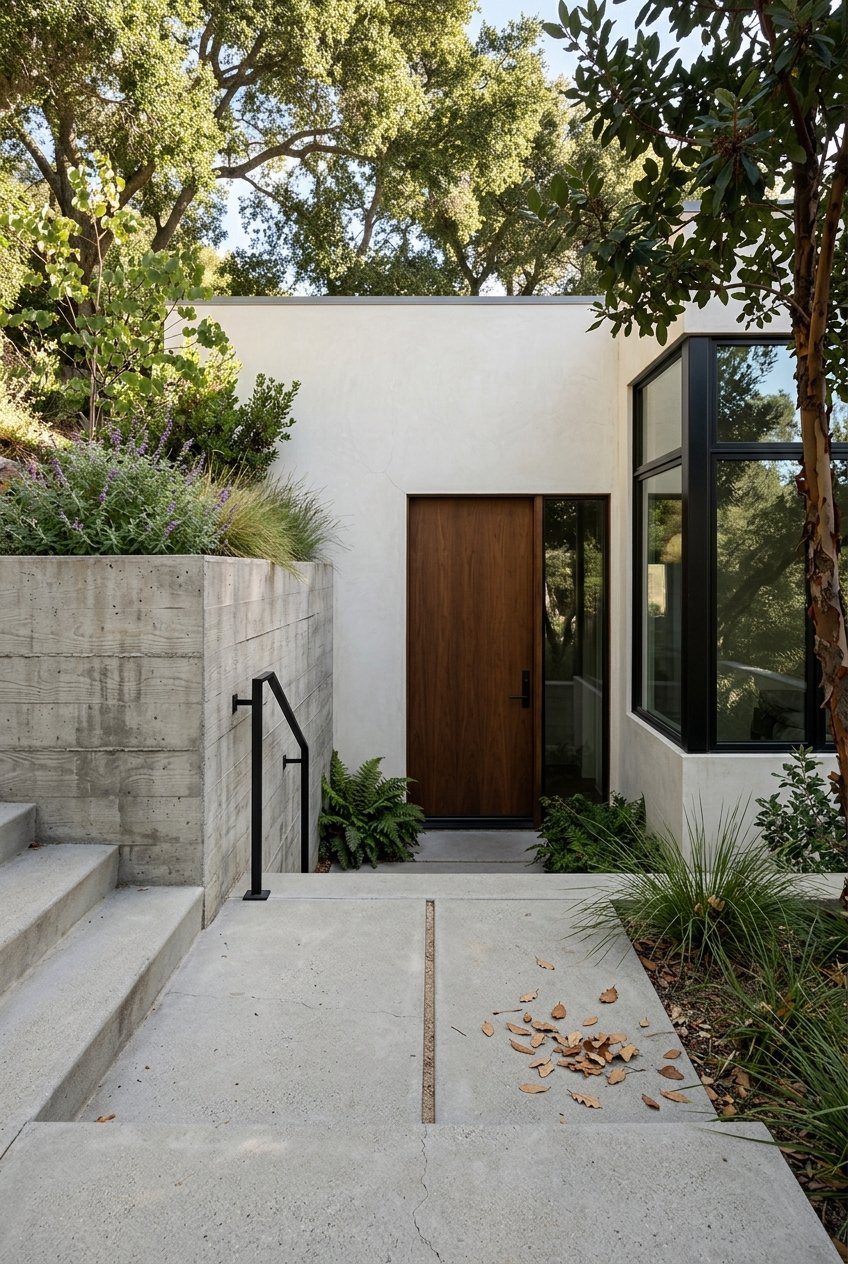
San Marino includes notable custom-built Mid-Century Modern and Late Modern homes, though these are less common than Period Revival or Ranch properties. Mid-Century Modern homes emphasize open plans, horizontal massing, post-and-beam construction, low or flat roofs, broad eaves, and generous glazing.
Late Modern homes push further into bold geometric forms with glass, metal, and concrete surfaces and minimal ornamentation. For buyers, these homes can offer strong design value and a more open, light-filled lifestyle, but they may also require thoughtful updates if original glazing or systems remain in place.
In San Marino, architecture often gives you an early clue about how a home functions. Period Revival homes usually suggest more formal spatial planning, with separated rooms, stronger front-to-back organization, and distinct transitions through courtyards, porches, patios, or loggias.
Ranch and Mid-Century homes often suggest easier movement and a more relaxed feel. If your priority is open living, fewer stairs, or a lower-threshold indoor-outdoor lifestyle, those homes may align more naturally with your needs.
When you tour, try to look beyond finishes. A beautifully updated kitchen matters, but so does whether the underlying floor plan suits how you actually want to live.
San Marino’s most distinctive homes often come with equally distinctive maintenance considerations. Historic revival homes may include stucco, clay tile roofs, wood windows, decorative masonry, ironwork, chimneys, and original finishes that require more attentive care.
Ranch and Mid-Century homes often have less ornament, which can simplify some upkeep. Still, age matters across all styles, and older roofs, glazing, and mechanical systems can become significant costs if they have not been updated.
A smart buyer should look at maintenance not as a drawback, but as part of the ownership profile. The goal is to understand what you are taking on before you fall in love with the architecture alone.
In San Marino, historic significance can affect what you are allowed to change. A city document citing the municipal code states that no alteration, restoration, rehabilitation, construction, removal, relocation, or demolition of a historic landmark may occur until the city issues a Certificate of Appropriateness or a Certificate of Economic Hardship.
The city’s design review process also examines visible exterior changes and new construction. That means buyers should ask whether a home is simply historic in style or formally designated, because those are not always the same thing.
San Marino also offers Mills Act contracts for qualifying historic properties. According to the city’s guidelines, the program provides property tax relief in exchange for maintenance and rehabilitation commitments, begins with a 10-year contract with annual extensions, stays with the property when sold, and can carry a 12.5% penalty if the contract is canceled due to noncompliance.
In San Marino, style is not the only thing that drives value, but it does shape demand. Based on the city’s survey and current market data, intact Period Revival homes and architect-designed custom modern homes are often positioned toward the upper end of the market because they combine scale, scarcity, and architectural distinction.
Smaller Ranch or Minimal Traditional homes can serve as a relative starting point for buyers entering San Marino. Even then, you are still shopping in a premium market, so the right strategy is less about finding a bargain and more about finding the best fit for your budget, goals, and tolerance for future work.
A listing may not always explain the full architectural story, but certain features can help you read between the lines.
As you review a property, ask a few practical questions early:
Those questions can help you move from admiration to analysis, which is especially important in a market like San Marino.
The best San Marino home style is not the most famous one. It is the one that matches how you want to live, what level of upkeep feels comfortable, and how much flexibility you want for future improvements.
If you love architecture, privacy, and a sense of legacy, a Period Revival home may be deeply rewarding. If you value flow, simplicity, and easier everyday use, a Ranch or Mid-Century home may be the better fit.
A thoughtful search in San Marino means weighing beauty against practicality in a very intentional way. If you want experienced, discreet guidance as you compare architectural character, preservation considerations, and market positioning, Brianna Deutsch can help you navigate the process with clarity and care.
Stay up to date on the latest real estate trends.
Whether acquiring a landmark estate or preparing to present your property to the global market, Brianna Deutsch provides the expertise, loyalty, and discretion required to navigate Beverly Hills real estate at the highest level.